MAIN ORGAN SYSTEMS
(CC3B)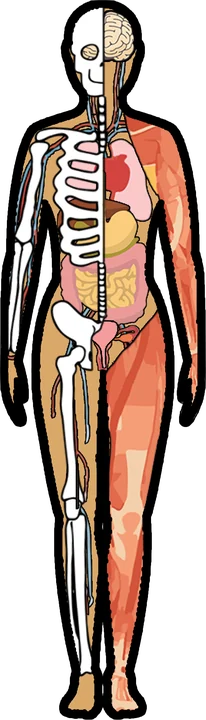






A disease may initially target a single group of cells or organ system - but its effects can then ripple across the rest of the body.
Your body is one large interconnected biological complex - your organs all function in relation to one another. Everything affects everything. Together, your organ systems make up the physical container of your existence on this planet.
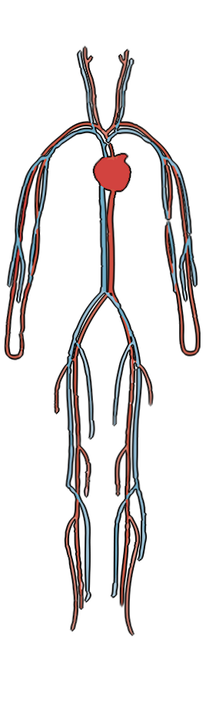
Your digestive system breaks food down into biological macromolecules - carbohydrates, proteins, fats. These molecules are filtered by the liver and transported to other organs through your circulatory system.
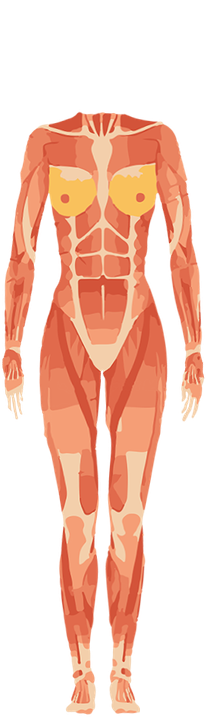
Oxygen from the respiratory system is crucial for energy production, which is especially vital for the function of your muscles, which are supported by your skeletal system.
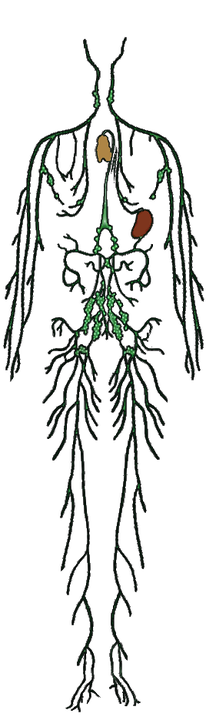
Your lymphatic system drains fluid from peripheral tissue and is also associated with your immune system, which protects you from infection. Also protecting you is your skin, which keeps the inside world in, and the outside world, out.
The waste products of cells exit your system through your excretory system, featuring your kidneys. And your reproductive system is, of course, intimately involved in the formation of new life.
Video lesson
Coming soon!
Example Passage
Coming soon!