CELL STRUCTURE
(CC2A)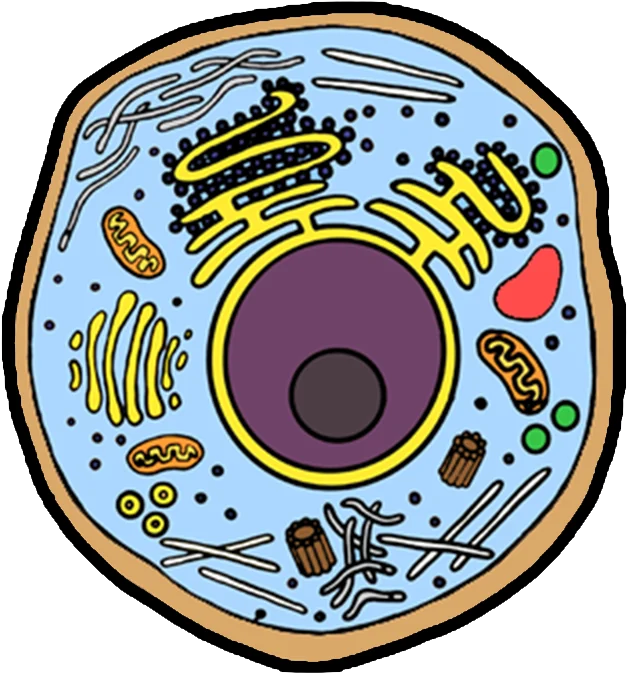
From a biological point of view, you are nothing more than a collection of cells. All your thoughts, actions, and biological functions are the product of billions of unthinking cells acting in concerto. Strange, isn’t it?
The biological cell is the fundamental unit of life. From a the smallest single-celled bacteria, to the incredible biological machinery of your own body, cells facilitate life. This is called cell theory.
Eukaryotic cells are highly organized and made up of specialized organelles, which are structurally supported by a cytoskeleton, and enveloped by a plasma membrane.
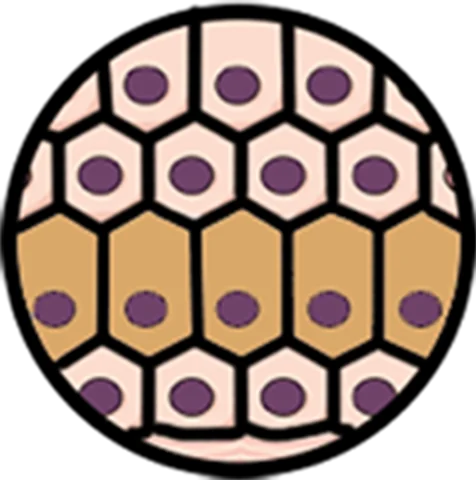
Together, cells form the tissues that make up your organs that make up, well… you.
Video lesson
Coming soon!
Example Passage
Coming soon!