ORGANIC CHEMISTRY
(CC5D)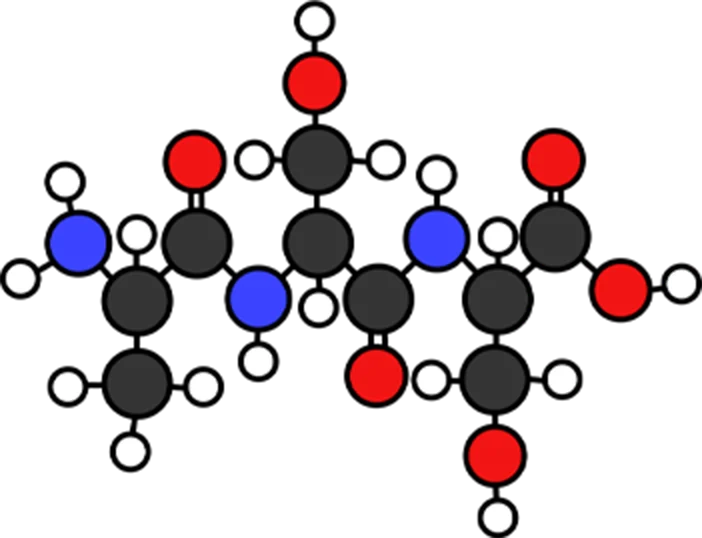




Everyone’s favorite subject… right?
Really, it’s not so bad. Although organic chemistry might seem like endless memorization of properties and reagents and substrates and whatnot, the MCAT tends to focus on only a few key concepts.
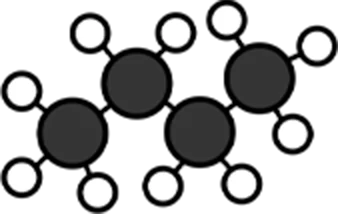
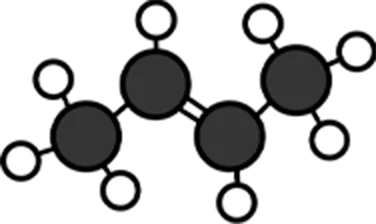
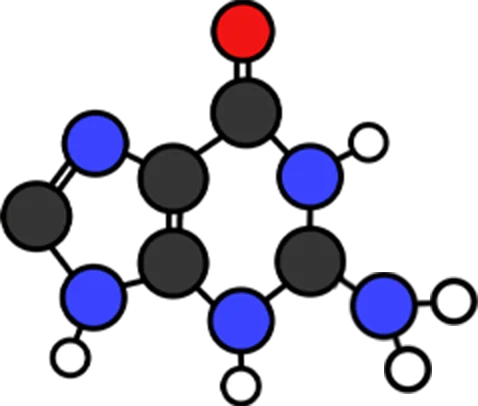
Our lovely functional groups include aklanes, alkenes, alcohols, carboxylic acids and their derivative, aldehydes/ketones, aromatics/ heterocycles, and phenols.
Understand the structure, function, and reactivity of basic functional groups and you can predict the reactions of complex macromolecules including carbohydrates, lipids, nucleic acids, and amino acids.
Master your organics and biochemical topics like metabolism will start to make a lot more sense.
Video lesson
Coming soon!



Example Passage
Coming soon!