GENETIC EXPRESSION
(CC1B)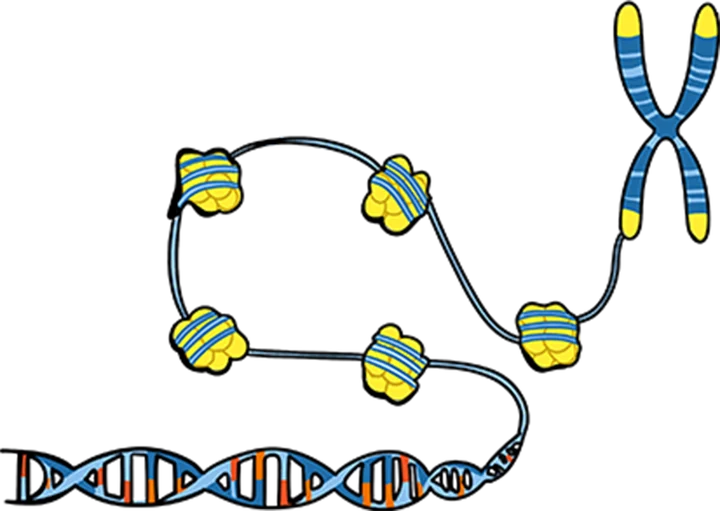


Your genes may not determine your destiny - but your understanding of them might determine your MCAT score.
The genetic information of a cell lies within its DNA, which is stored as chromosomes in the nucleus. DNA is transcribed into RNA, and translated into proteins, which may then be secreted out of the cell. This is called the central dogma of biology.
A genetic defect may cause mistakes in protein expression or function. This can be due to mutations during DNA replication, resulting in genetic disease. Thankfully, our built-in DNA repair mechanisms help to mitigate that risk.
In the lab, using modern biotechnology, we can modify and analyze DNA with techniques like PCR, blotting, and recombination.
The MCAT will test on genetic expression in eukaryotes like yourself and prokaryotes like infectious bacteria.
Video lesson
Coming soon!


Example Passage
Coming soon!